
Ethical Orangutan Tourism
Choosing ethical wildlife guides in North Sumatra when trekking to see orangutans is essential for several reasons:
protecting the orangutans
protecting the environment
ensuring tourism does not harm conservation
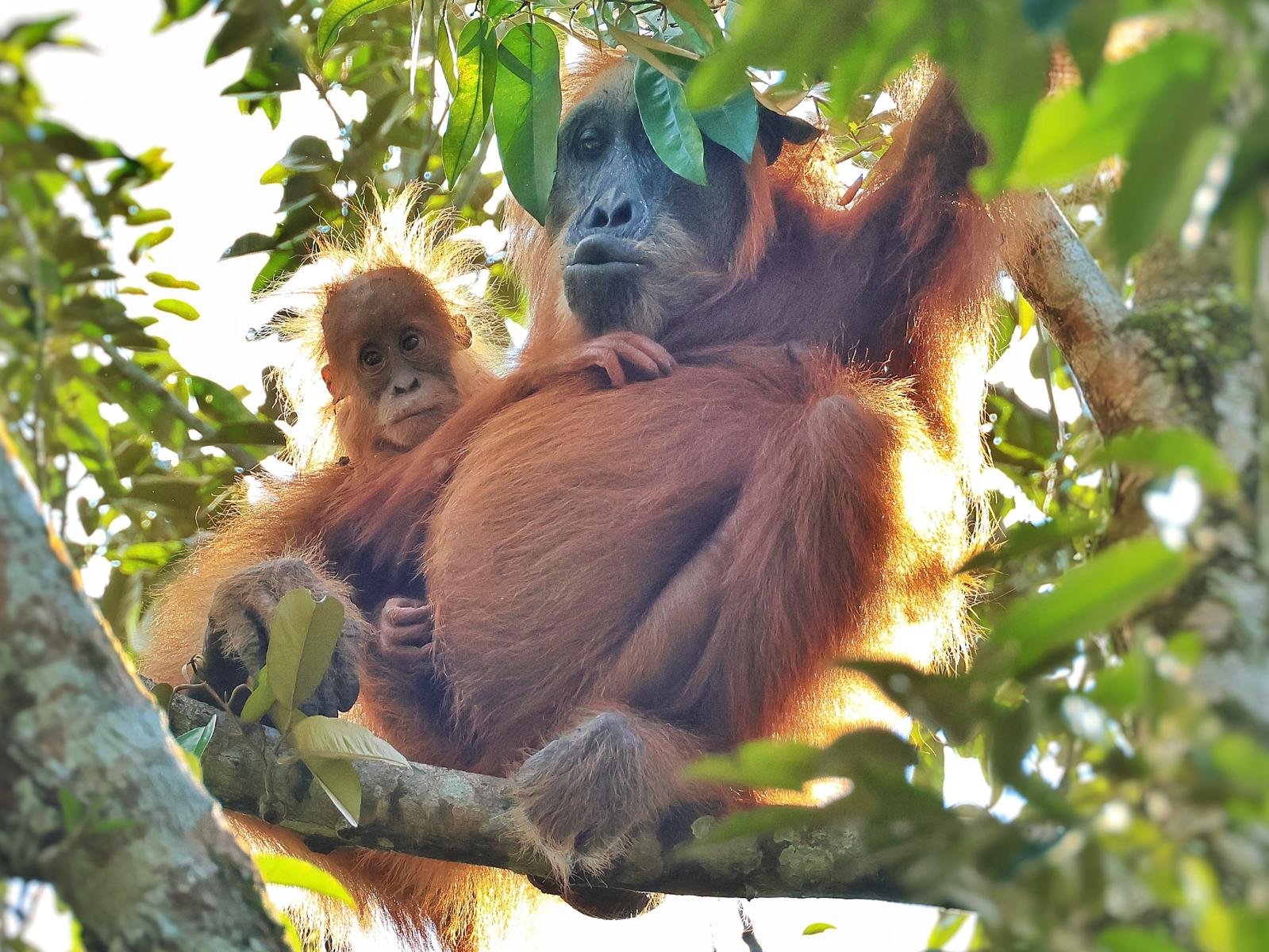
Close contact with humans can seriously endanger orangutans; feeding or touching them can transmit diseases like the flu or a cold. These can be passed on to orangutans due to their genetic similarity to humans. Even a common cold can be fatal to orangutans. Getting close to wild or habituated orangutans disrupts their natural behaviour and feeding them can make them dependent on people for food or aggressive towards humans as well as spread disease. An aggressive orangutan is very dangerous and there are documented incidents where orangutans have injured tourists when they get too close.
The IUCN guidelines for great ape tourism recommend strict viewing distances (7m), no feeding or touching, small group sizes, health screening of visitors, and strong regulation to ensure tourism supports conservation without compromising the welfare of individual apes. These principles are especially important for orangutans, which are highly susceptible to disease, sensitive to disturbance, and dependent on complex natural behaviours for survival.
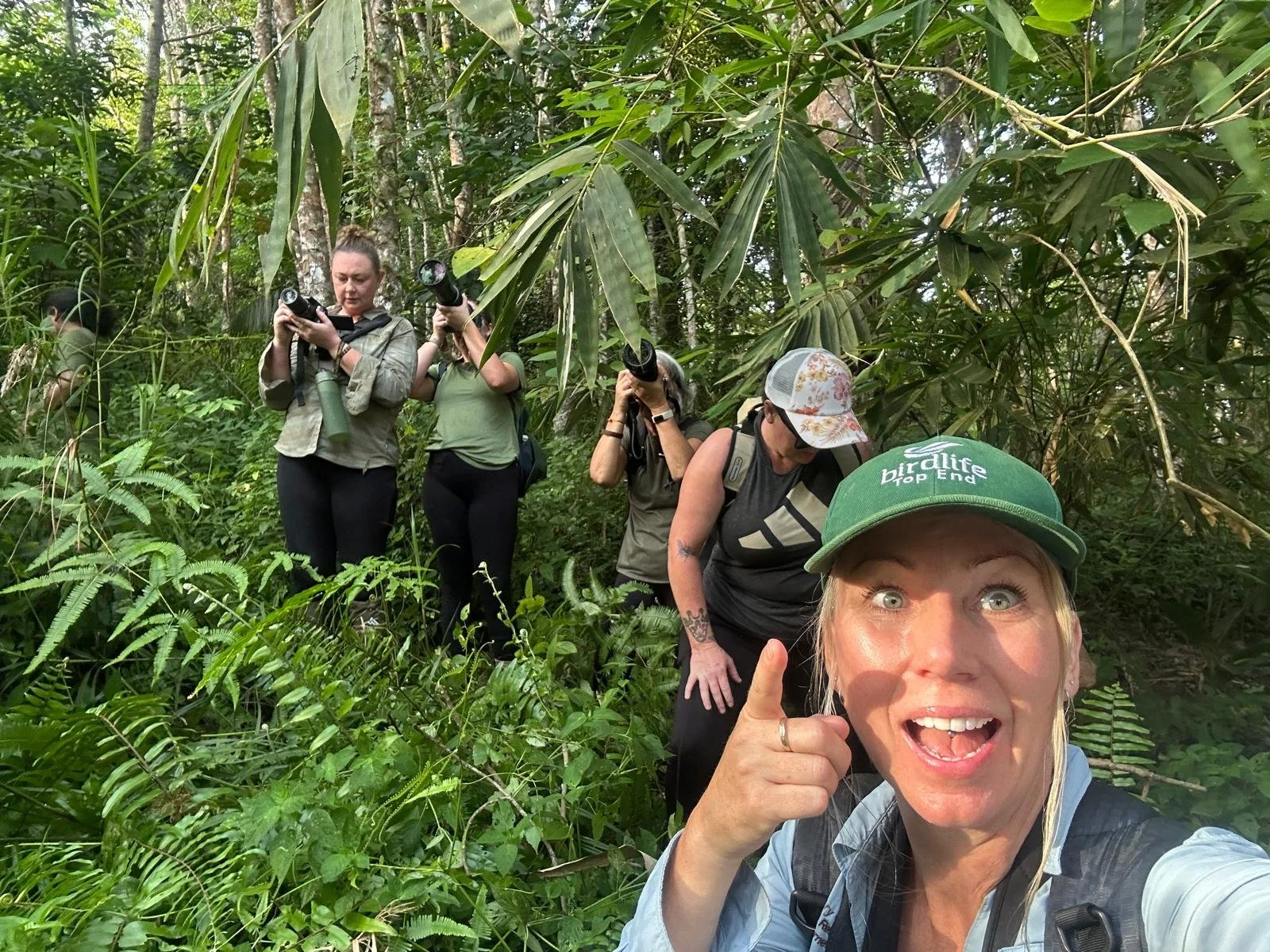
NEVER choose a local guide who encourages or attempts to feed or touch wild orangutans or manipulate their behaviour for photos. Viewing time should be limited to less than an hour and groups should be kept as small as possible to reduce stress, noise, and disturbance, and lower cumulative disease risk. If you are sick or have recently been sick with a cold, cough, flu, fever or gastrointestinal illness you should not trek. Orangutans share over 97% of human DNA, making them highly susceptible to human pathogens.
If you see a wildlife guide encouraging orangutans or other wildlife closer for photo opportunities, offering food, attempting to touch, or smoking near orangutans it is important to say something. Visitor expectations can directly shape how wildlife encounters are managed and tourism revenue strongly influences guide behaviour.
Responsible tourism depends not only on operators but also on visitor behaviour and tourists have a role in upholding ethical standards.
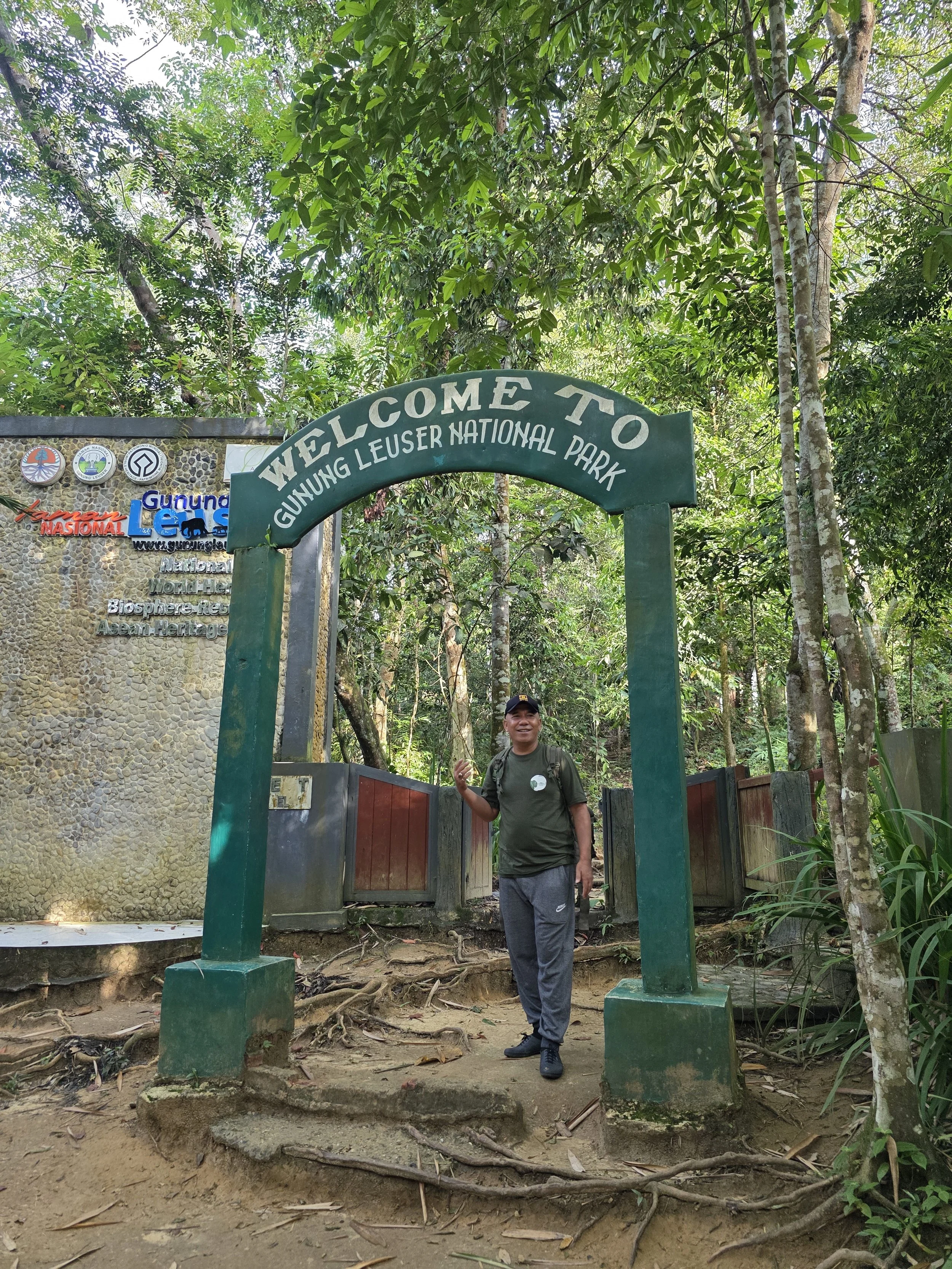
Always choose reputable guides and operators who follow recognized guidelines - orangutans’ survival depends on it!
Happy trekking!
